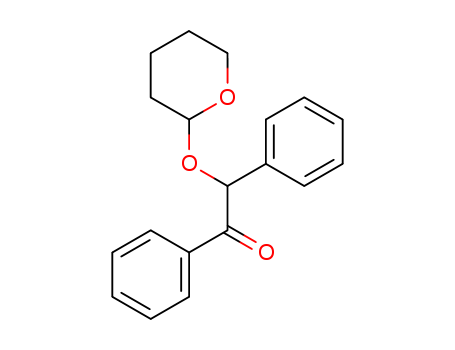
1,2-diphenyl-2-[(tetrahydro-2H-pyran-2-yl)oxy]ethan-1-one
- Name: 1,2-diphenyl-2-[(tetrahydro-2H-pyran-2-yl)oxy]ethan-1-one
- CAS: 51706-34-4
- Purity: 99%
Details
Perfect Factory Offer Excellent quality 1,2-diphenyl-2-[(tetrahydro-2H-pyran-2-yl)oxy]ethan-1-one 51706-34-4 with Safe Shipping
- Molecular Formula: C19H20 O3
- Molecular Weight: 296.366
- Vapor Pressure: 4.01E-08mmHg at 25°C
- Boiling Point: 445.2°C at 760 mmHg
- Flash Point: 215°C
- PSA: 35.53000
- Density: 1.15g/cm3
- LogP: 4.15380
1,2-diphenyl-2-[(tetrahydro-2H-pyran-2-yl)oxy]ethan-1-one(Cas 51706-34-4) Usage
|
Chemical structure |
A derivative of curcumin, a natural compound found in turmeric. |
|
Antioxidant properties |
Acts as a powerful antioxidant, neutralizing free radicals and reducing oxidative stress in the body. |
|
Anti-inflammatory properties |
Exhibits anti-inflammatory effects, potentially reducing inflammation in the body. |
|
Potential health benefits |
Has been studied for its potential to protect against neurodegenerative diseases and may have anti-cancer effects. |
|
Skin-lightening properties |
May be used in skincare products for its ability to brighten and even out skin tone. |
|
Therapeutic potential |
Shows promise as a therapeutic ingredient due to its antioxidant, anti-inflammatory, and potential health benefits. |
|
Cosmetic potential |
May be used in the cosmetic industry for its skin-lightening and skin-brightening properties. |
|
Safety |
Generally considered safe for use in skincare products, but further research is needed to determine optimal dosages and potential side effects. |
|
Stability |
May have improved stability compared to curcumin, as it is less prone to degradation and has better bioavailability. |
|
Research status |
While tetrahydrocurcumin has shown promising results in preliminary studies, more research is needed to fully understand its potential benefits and applications. |
|
General Description |
1,2-diphenyl-2-[(tetrahydro-2H-pyran-2-yl)oxy]ethan-1-one, also known as tetrahydrocurcumin, is a derivative of curcumin, which is a natural compound found in turmeric. Tetrahydrocurcumin is a powerful antioxidant and anti-inflammatory compound that has been studied for its potential health benefits, including its ability to reduce inflammation and oxidative stress in the body. It has also been shown to have potential anti-cancer effects and may help protect against neurodegenerative diseases. Additionally, tetrahydrocurcumin has been studied for its potential skin-lightening properties and may be used in skincare products for its ability to brighten and even out the skin tone. Overall, 1,2-diphenyl-2-[(tetrahydro-2H-pyran-2-yl)oxy]ethan-1-one shows promising potential as a therapeutic and cosmetic ingredient. |
InChI:InChI=1/C19H20O3/c20-18(15-9-3-1-4-10-15)19(16-11-5-2-6-12-16)22-17-13-7-8-14-21-17/h1-6,9-12,17,19H,7-8,13-14H2
51706-34-4 Relevant articles
Anhydrous FePO4 as a cost-effective and recyclable catalyst for tetrahydropyranylation and tetrahydrofuranylation of alcohols and phenols
Behbahani, Farahnaz K.,Farahani, Mona
experimental part, p. 431 - 435 (2012/04/17)
In this article, a mild and efficient pr...
Generally applicable organocatalytic tetrahydropyranylation of hydroxy functionalities with very low catalyst loading
Kotke, Mike,Schreiner, Peter R.
, p. 779 - 790 (2008/01/03)
This paper presents the first acid-free,...
Silylation and tetrahydropyranylation of alcohols catalyzed by Al(HSO 4)3
Shirini, Farhad,Zolfigol, Mohammad Ali,Abedini, Masoumeh
, p. 1982 - 1985 (2007/10/03)
Trimethylsilylation and tetrahydropyrany...
Potassium dodecatangestocobaltate trihydrate (K5CoW12O40·3H2O): A mild and efficient catalyst for the tetrahydropyranylation of alcohols and their detetrahydropyranylation
Habibi, Mohammad H.,Tangestaninejad, Shahram,Mohammadpoor-Baltork, Iraj,Mirkhani, Valiollah,Yadollahi, Bahram
, p. 2851 - 2853 (2007/10/03)
A simple, mild and effective method for ...
51706-34-4 Process route
-
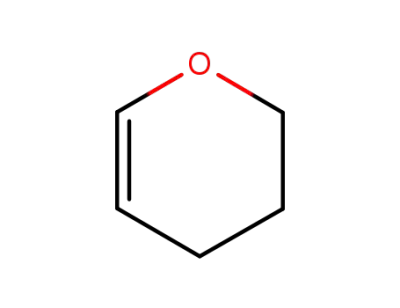
-
110-87-2
3,4-dihydro-2H -pyran

-
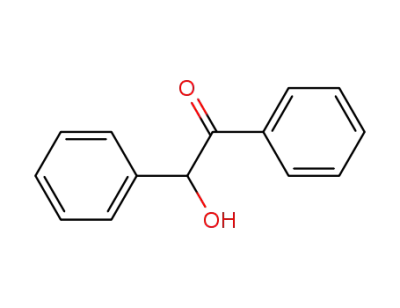
-
119-53-9,579-44-2
2-hydroxy-2-phenylacetophenone

-
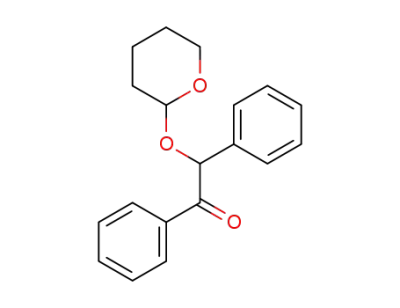
-
51706-34-4
benzoin tetrahydropyranyl ether
| Conditions | Yield |
|---|---|
|
With
aluminum(III) hydrogen sulfate;
In
hexane;
at 20 ℃;
for 4h;
|
65%
|
|
With
N.N'-bis[3,5-bis(trifluoromethyl)phenyl]thiourea;
at 50 ℃;
for 26h;
|
59%
|
|
K5
|
80 % Chromat.
|
|
With
iron(III) phosphate;
In
dichloromethane;
at 20 ℃;
for 7h;
|
86 %Chromat.
|
-
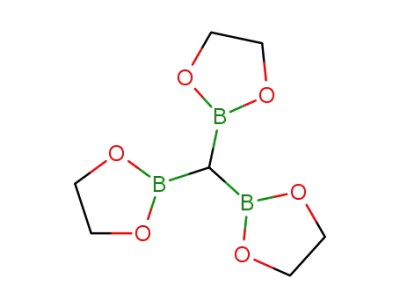
-
59278-44-3
tris(ethylenedioxyboryl)methane
-
-
51706-34-4
benzoin tetrahydropyranyl ether
-
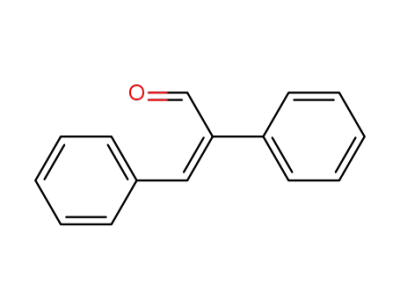
-
72659-45-1,1755-47-1
(Z)-2,3-diphenylacrylaldehyde
-
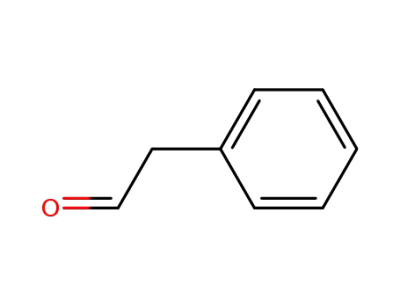
-
122-78-1
phenylacetaldehyde
-
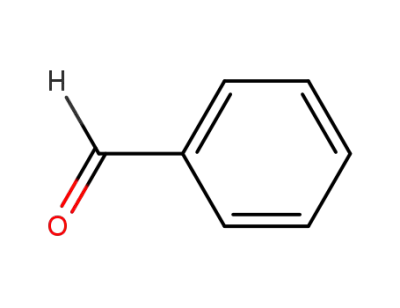
-
100-52-7
benzaldehyde
| Conditions | Yield |
|---|---|
|
Multistep reaction. Yields of byproduct given;
|
|
|
Yield given. Multistep reaction;
|
51706-34-4 Upstream products
-
110-87-2
3,4-dihydro-2H -pyran
-
119-53-9
2-hydroxy-2-phenylacetophenone
51706-34-4 Downstream products
-
72659-45-1
(Z)-2,3-diphenylacrylaldehyde
-
122-78-1
phenylacetaldehyde
-
100-52-7
benzaldehyde
-
119-53-9
2-hydroxy-2-phenylacetophenone
Related Products
-
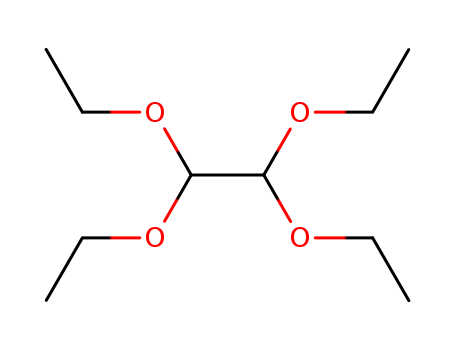 1,1,2,2-tetraethoxyethane
CAS:3975-14-2
-
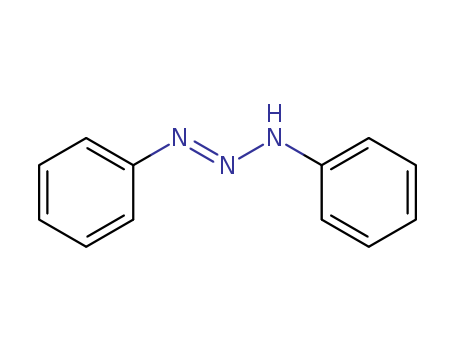 1,3-Diphenyltriazene
CAS:136-35-6
-
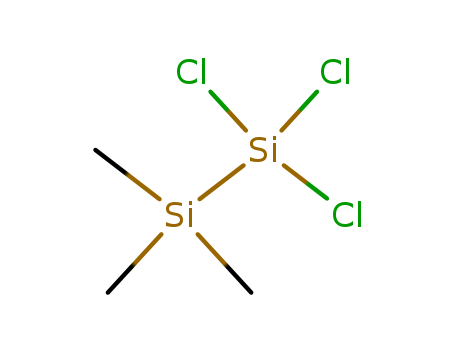 1,1,1-trichloro-2,2,2-trimethyldisilane
CAS:18026-87-4
-
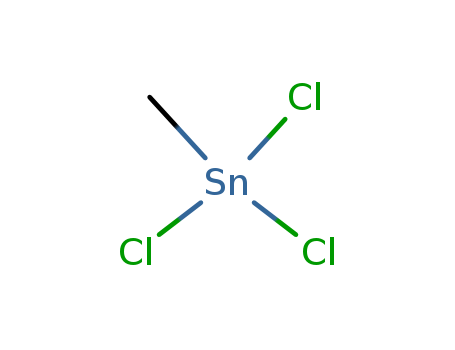 METHYLTIN TRICHLORIDE
CAS:993-16-8